Choose a countertop microwave around the dishes you use
Check your everyday dishes, door swing, and required ventilation before giving up counter space.
As an Amazon Associate I earn from qualifying purchases. How our shopping links work.
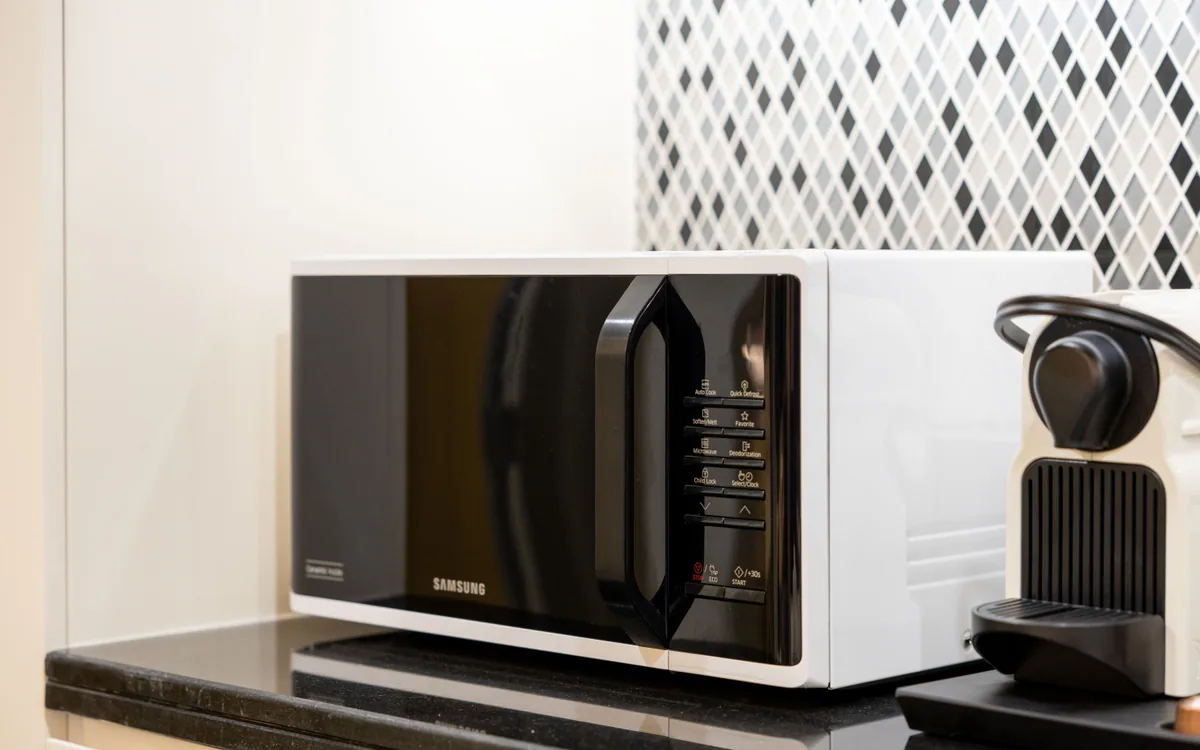
The short answer
Measure the dishes first, then reserve the space required by the exact model's installation instructions. Check loading and door access before choosing a capacity.
Put your usual dishes on the shortlist
Start with the dinner plate that comes out most evenings, the bowl you use for soup, and the dish you use to reheat two portions. Measure their widest points, including handles. A microwave that accepts one plate can still be awkward with a tall bowl and a cover.
Write down width, depth, and covered height for each dish. For a rectangular dish, record the diagonal too. Its corners travel farther from the center as a turntable rotates. The published turntable diameter is useful, but it does not describe every obstruction inside the cavity or the size of the opening.
The smallest acceptable microwave is the one that accommodates this dish list while meeting its installation instructions. A cubic-foot capacity alone cannot answer either question.
Give the appliance an operating space
Measure a clear section of counter with the backsplash, upper cabinets, and nearby appliances in place. Then find the installation instructions for each candidate. Record the required clearance at the sides, rear, and top separately from the appliance dimensions.
GE's guidance for its countertop-only microwaves calls for 3 inches at each side and above, plus 1 inch behind. It also specifies a setback from the counter's front edge. Those figures illustrate how much larger the working space can be than the metal case; they are not universal measurements for other brands or installations.
Keep the feet in place and the ventilation openings clear. A countertop-only model cannot become a built-in appliance simply because it slides into a cabinet opening. A built-in installation needs a model and any trim kit expressly approved for that arrangement.
Try a paper layout before moving appliances
For a planning exercise, imagine a 30-inch-wide stretch of counter. A hypothetical microwave is 20 inches wide and its manual requires 3 inches on either side. It needs 26 inches across before you consider anything else. The remaining 4 inches will not necessarily provide a useful preparation area.
Cut a paper rectangle to the candidate's exterior width and depth. Place it on the counter, add paper strips for the manual's clearances, and mark the required front setback. These pieces represent different requirements; do not overlap them to make the appliance appear to fit.
Now stand where you would remove a hot bowl. Open a neighboring cabinet and pull out the drawer below. A footprint that fits on paper may still block the place where you normally stand or force a cabinet door against the appliance.
Scroll to compare
| Check | Record on the layout | Reason to reject the location |
|---|---|---|
| Case | Full exterior width and depth | Feet or case extend beyond supported counter |
| Ventilation | Each clearance from the model's manual | A wall or stored item occupies required space |
| Door | Hinge side and open-door projection | Door hits a wall or blocks access to the cavity |
| Serving | A nearby landing place for the dish | You must carry a hot bowl around the open door |
Keep this layout until delivery. It also gives you a way to compare a second model without repeatedly clearing the counter.
Check the dish through its entire rotation
Interior width and depth matter more than an isolated capacity claim. GE's dish-fitting guidance recommends room around the food or vessel and explains that the diagonal determines the rotating clearance for rectangular cookware. Follow the instructions for the exact microwave you choose.
A useful store check, when permitted, is to bring a clean paper outline of your widest dish. Place it on the installed turntable and gently rotate it with the appliance off. Check the corners, handles, and distance to the door. Do not remove the turntable to make a dish fit unless the model's instructions expressly allow that cooking arrangement.
Height deserves a separate check. Your hand must reach around the bowl, and the cover must clear the cavity ceiling. A snug opening leaves less room to load the dish steadily even if it fits once it is inside.
Read the controls as a daily sequence
Pick a task you repeat, such as reheating a bowl with a lower power setting. Look for the buttons needed to set time, change power, pause, and resume. A control panel with many presets can take more steps for your task than one with fewer labeled buttons.
Check whether the display is readable from your normal standing position. If the microwave will sit below eye level, inspect it from above. Find the sound settings and any child-control or locking behavior in the manual rather than assuming the panel works like your current appliance.
Cooking output and electrical input are different specifications. Use the installation instructions and rating information for electrical requirements. Use cooking output to interpret food directions; changing the appliance may require adjusting the routine you already know.
Leave room for the rest of the kitchen
Choose the candidate that passes the dish, location, door, and control checks together. A larger cavity is worthwhile when it solves a real dish-fitting problem. Extra volume has less value when it consumes the only counter where you can prepare food.
If a microwave displaces your cutting area, revisit the room layout before buying. A cutting board that fits your washing and working space and an accessible appliance need separate places to function. For a new home, the first-apartment shopping plan helps you decide which jobs the kitchen must support first.
We may earn a commission from qualifying purchases.
Use your dish measurements and clearance notes to assess any microwave you find.
Browse Amazon Best Sellers Explore countertop microwaves on AmazonOpens Amazon.com. Check the exact model's installation instructions before ordering. Check the exact model, seller, and current terms before ordering.
A useful next read.
Keep the whole purchase in view.

Wood or composite cutting board: plan the washing and working space
Compare hand washing, dishwasher fit, drying space, and the cutting area you will actually use.
Compare the options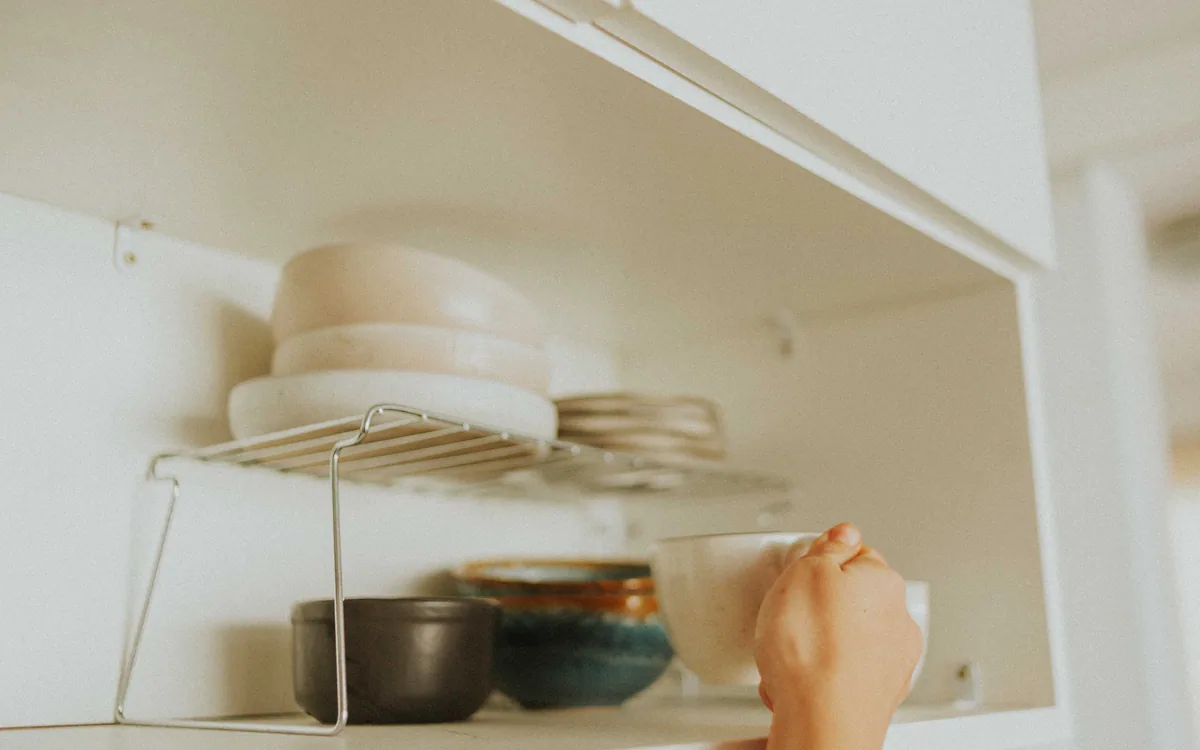
Measure a cabinet for shelves you can reach and remove
Check the clear door opening, hinge obstructions, loaded height, and the route an organizer needs to come back out.
Read the guide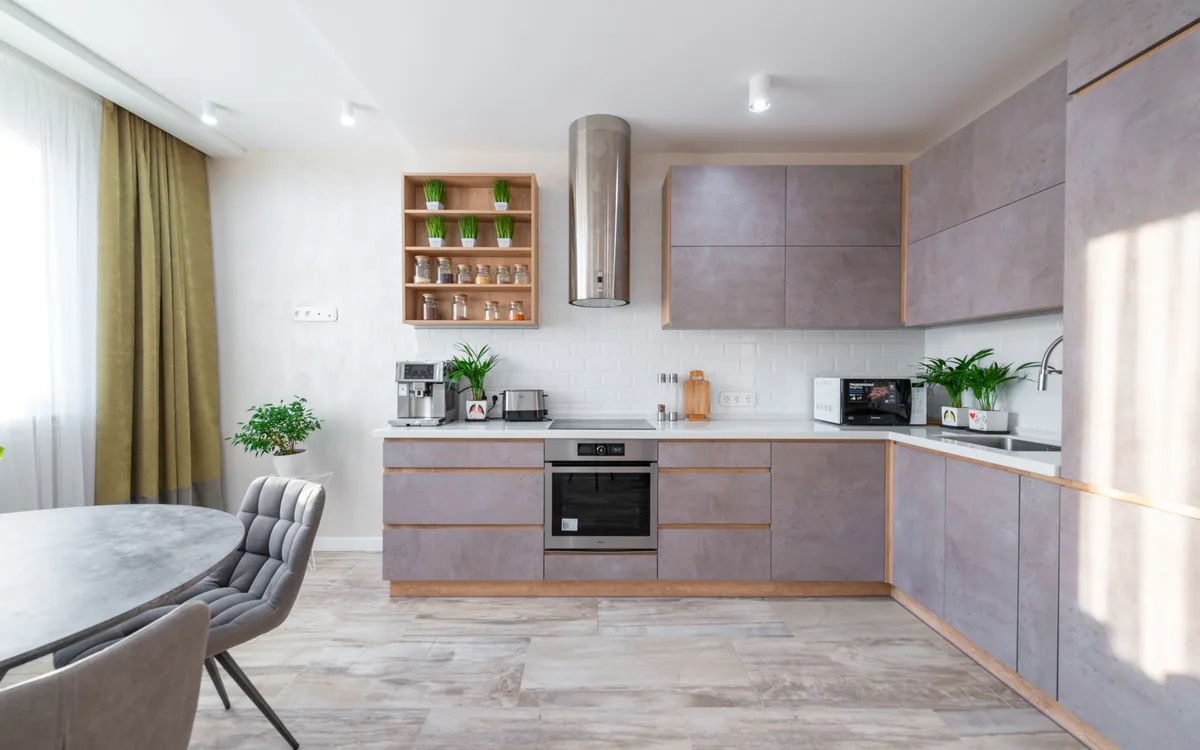
Set up a first apartment by the jobs you need to do
Use the first week to finish daily tasks, measure the awkward spaces, and buy for the problems that repeat.
Read the guide