Set up a first apartment by the jobs you need to do
Use the first week to finish daily tasks, measure the awkward spaces, and buy for the problems that repeat.
As an Amazon Associate I earn from qualifying purchases. How our shopping links work.
The short answer
Inventory what is already there, make the next morning workable, complete a meal and cleanup, then measure and solve one repeated obstruction at a time.
Before move-in, inventory what already has a job
Walk through the new apartment with its list of included equipment and your own belongings. Record what is present, what works, and what you still need to confirm with the property manager. Photograph model labels and save the supplied instructions. An item in a room photograph may belong to the previous occupant or a display setup.
Write your first week's tasks in ordinary language: take a shower, put on clean clothes, prepare one meal, clear the work table, and get out of the door with your keys. Beside each task, list what you already own. That creates a useful purchasing order without requiring a complete room to be furnished at once.
Keep repairs or installation questions on a separate note for the property manager. Buying an organizer will not resolve a leaking cabinet or an appliance that does not operate as expected.
First evening: make tomorrow morning workable
Unpack the items you need before leaving the next morning. Put towels, toiletries, work clothes, and the items you carry out together in reachable places. Use a temporary tray or a box you already have for keys and small belongings while you learn where they naturally land.
Set up one usable place to sit and one clear surface. You may use the same table for a meal and a laptop at first. Keep a short note of what forces you to stop: a missing light at the table, a place to hang a damp towel, or clothes that cannot yet be put away. Those interruptions give you specific tasks for the next day's shopping.
Avoid turning every unpacked box into a storage purchase. A box containing paperwork needs sorting before you can know whether it requires a drawer, a file, or no permanent space at all.
Day two: complete one meal and its cleanup
Choose a meal you already know how to prepare with the cooking equipment available. Trace the complete job, including opening the ingredients, preparing them, eating, washing up, and drying what you used. Count the tools that this meal requires instead of ordering a large kitchen set by default.
A simple example is a meal using one saucepan and a canned ingredient. You may already have the pan and utensil but need an opener that works with the can. The manual versus electric opener comparison helps with that specific choice. It does not require filling a drawer with tools for meals you have not planned.
If a microwave is part of the apartment, check its model instructions and your actual dishes. Leave the required clearances. Keep the first kitchen setup small enough to clean and put away after the meal.
Days three and four: measure one room on paper
Draw the room where competing tasks create the most friction. IKEA's U.S. measuring guidance recommends recording walls, openings, fixed features, outlets, and which way doors swing. Include the furniture you intend to keep. You need a plan of your room rather than a product photograph that resembles it.
For a hypothetical 10-by-12-foot room, mark the entrance at one corner, a closet on an adjacent wall, and a window opposite the entrance. Add the table you already own at its actual size. Then draw the chair pulled out and the closet door open. A storage unit that fits against the wall may still obstruct one of those movements.
Scroll to compare
| Part of the sketch | What to add |
|---|---|
| Entrance and closet | Door swing and the route you use while carrying belongings |
| Existing table | Full footprint and chair movement |
| Window and fixed equipment | Parts that must remain accessible |
| Candidate storage location | Outer dimensions and space needed to open or remove it |
These example dimensions do not establish a required walkway width or an approved layout. Use your actual measurements and follow the apartment's rules and product instructions. For a cabinet, measure the opening and removable shelf path separately from the room.
Day five: build the cleaning kit around the surfaces
Identify the floor and countertop materials before selecting cleaners or tools. Read the care instructions supplied with the apartment or ask the property manager. A product suitable for one surface may have restrictions on another.
EPA's Safer Choice label helps identify products whose ingredients and performance meet the program's criteria. The label does not replace the directions for use or establish suitability for every finish. Cleaning, sanitizing, and disinfecting are also different tasks. If you use an EPA-registered disinfectant, follow its label, including the time a surface must remain wet.
Choose equipment you can empty, rinse, dry, and store in the space available. A large bucket may suit the floor area and still be awkward at the sink. Plan where damp cloths and the tool will dry after the job. Keep cleaning products in their labeled containers and follow their storage directions.
At the weekend, buy for the repeated obstruction
Review the notes from the week. Separate a one-time inconvenience caused by unpacking from a problem that has repeated. A crowded entry surface may need a smaller set of belongings there. A drawer that mixes office supplies with unopened moving paperwork may need sorting before dividers.
Choose one repeat problem and specify the result you need. For instance, "reach the scissors without lifting the stapler" is enough to guide an office-drawer layout. Measure those objects and the usable drawer before choosing a tray.
Keep your notes after the purchase. Record the location, dimensions, and reason you chose the item. During the next week, check whether the job now works and whether anything still blocks it. Add the next item when you can name its task and show where it will go.
We may earn a commission from qualifying purchases.
Use your task list to judge whether an offer solves a problem that has repeated.
Browse Amazon Deals Explore items for your apartment setup on AmazonOpens Amazon.com. Check the dimensions, included pieces, and the place the item will go before buying. Check the exact model, seller, and current terms before ordering.
A useful next read.
Keep the whole purchase in view.

Manual or electric can opener: choose the opening motion
Compare the grip, turning, release, and cleanup steps before choosing a handheld tool or countertop machine.
Compare the options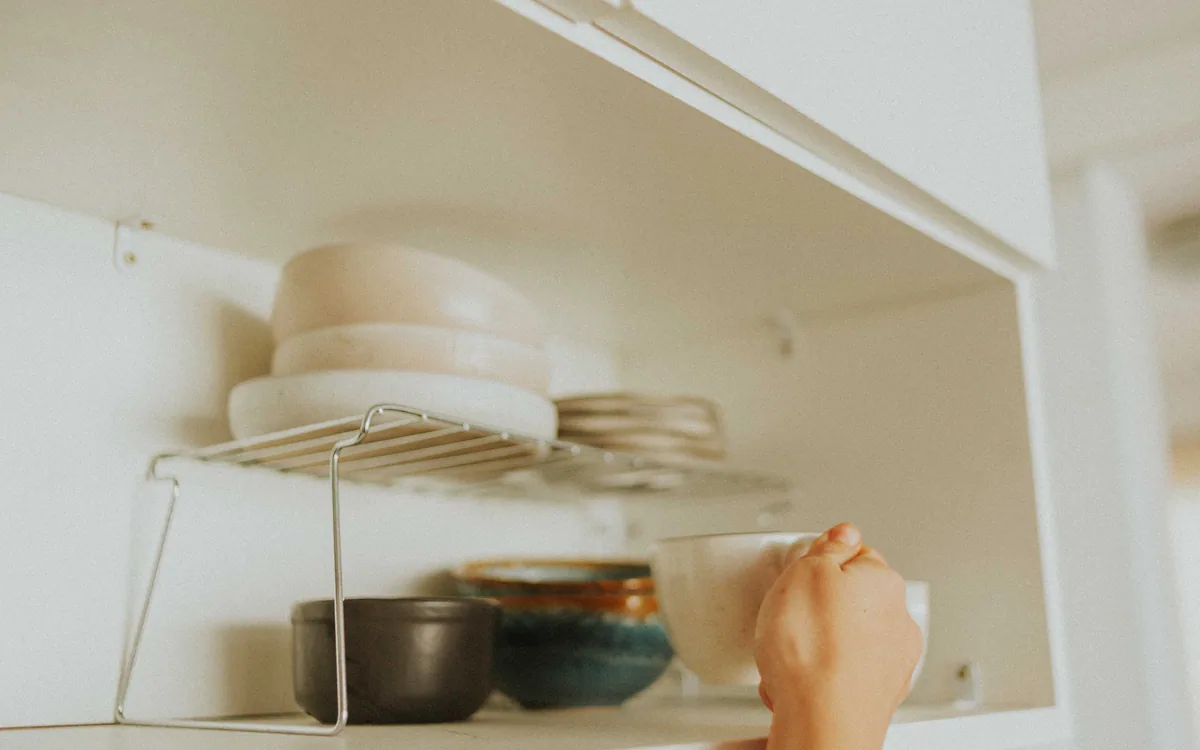
Measure a cabinet for shelves you can reach and remove
Check the clear door opening, hinge obstructions, loaded height, and the route an organizer needs to come back out.
Read the guide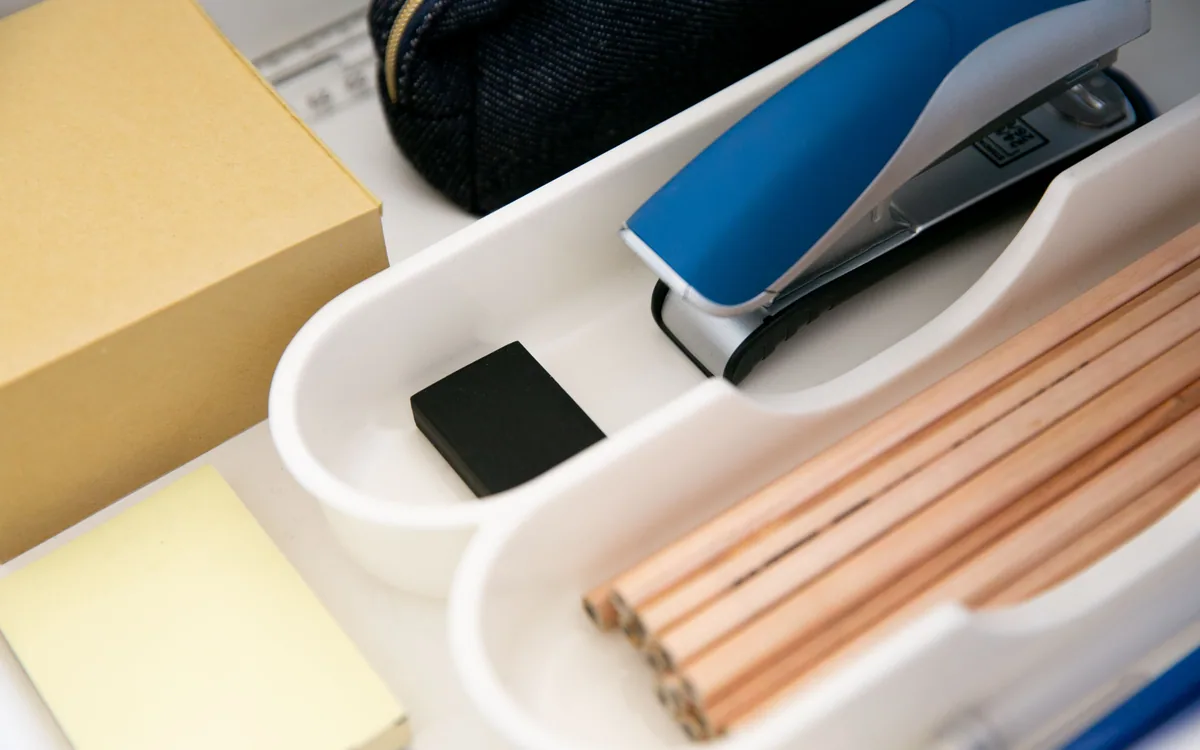
Arrange an office drawer around the objects you reach for
Use full-size paper shapes to place pens, tools, and small accessories in a drawer you can close and use.
Read the guide
Under-sink organizers: leave a route to pipes and shutoffs
Map plumbing at several heights, check door movement, and choose storage you can remove for access.
Read the guide