Under-bed storage: plan the opening and the pull-out path
Measure beneath the lowest bed support and rehearse removing and opening storage in the surrounding room.
As an Amazon Associate I earn from qualifying purchases. How our shopping links work.
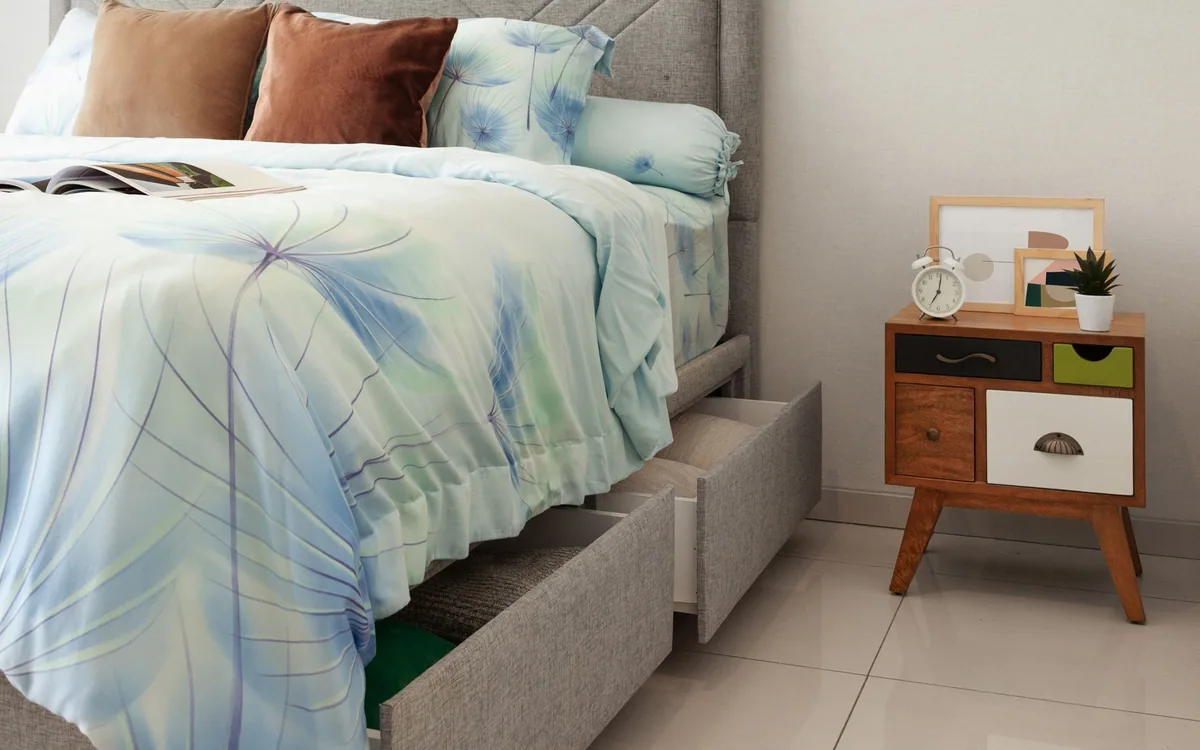
The short answer
Choose under-bed storage by its complete removal route. Check bed supports, packed height, floor movement, and access to the closure.
Start at the edge of the bed
Measure from the floor to the lowest fixed part you must pass when sliding storage under the bed. Then look farther in. A side rail may be higher than a center support, and a box that enters easily can catch before reaching its final position.
Check the bed in its normal setup, including the rug, bedding that hangs near the floor, and any items already underneath. Avoid lifting or altering the bed to make a storage purchase fit unless the bed manufacturer explicitly permits that change. The existing frame and supports define your available space.
Draw a simple view from above. Mark the legs, center rail, and any braces. Split the area into separate accessible bays. This gives you a more realistic shopping size than the mattress dimensions.
Measure the entire trip out
Plan how far the storage must move before you can reach its closure and contents. A nightstand, dresser, or narrow aisle may restrict that movement even when the space beneath the bed is generous.
For an illustrative room, suppose the side of a bed faces a dresser across a 24-inch aisle. A storage case extending 30 inches outward cannot clear the bed in one straight pull while the dresser remains there. A shorter case or access from the foot might work, depending on the bed supports. Draw the actual route and check it with a piece of cardboard.
Include your body in the exercise. You need somewhere to kneel or stand while pulling the handle, and room to lift the case without twisting it around furniture. Frequent retrieval deserves an easier path than storage opened twice a year.
Allow for the case after it is packed
Soft storage cases can bulge when overfilled. A stated height is a useful starting point, but your packed case still needs to pass below the lowest obstruction. A zipper should close according to the product instructions without forcing the contents into a shape that defeats your clearance plan.
IKEA's US SKUBB case, article 105.910.64, measures 35.5 by 20.75 by 7.5 inches and has a side handle and ventilation mesh. Its care directions call for vacuuming or a lint roller and prohibit washing. That matters if your intended location is dusty and you expected to put the whole case in a washing machine.
A soft case suits a layout where you can pull it fully out and support it while opening. Check whether its base remains manageable with your actual folded textiles. Product photos cannot establish how a packed case will slide on your carpet.
Compare wheels with your floor and direction of travel
Wheels can make a rigid case easier to move, but inspect their orientation and the direction the product is intended to roll. Determine whether the handle faces the accessible side of the bed. A case that rolls along its length may need to be stored in a particular orientation.
Sterilite's model 1498 wheeled latching box lists an exterior size of 33 7/8 by 18 3/4 by 7 inches. Its interior bottom measurements are smaller. Use the outside dimensions for clearance and the usable interior for your folded items. Do not use the nominal quart capacity to predict whether a long blanket will lie in the desired arrangement.
Wheel performance on thick carpet, floor transitions, or an uneven board is not established by those dimensions. Check the manufacturer's intended use and rehearse the proposed route with an object of similar footprint before buying multiple cases.
Decide where the opening will happen
A rigid lid needs clearance to lift or remove. A zippered top needs access along its closure. Decide whether you will open the case beneath the bed, partly withdraw it, or pull it completely into the room.
Scroll to compare
| Access arrangement | What to check |
|---|---|
| Open after full removal | Enough aisle depth and a place to set the case |
| Open after a partial pull | Access to the whole closure and the wanted item |
| Access from the foot | Bed legs, footboard, and route into the room |
| Two small cases side by side | Separate handles and room to remove either one |
| One case behind another | Whether front-case removal is acceptable every time |
Avoid a deep row for items you retrieve often. If the rear case holds next season's clothing, make its contents visible on a label near the accessible end. Write specific contents such as "winter gloves and scarves" instead of a label that requires opening the case again.
Pack one trial section before ordering a set
Fold the intended items and measure their stack. Keep clothing completely dry and follow its care instructions. Separate items that need a different storage method; a shallow case is not permission to compress a structured or delicate garment.
Make a paper rectangle representing the case's usable floor. Arrange the folded pieces on it, then check their height. This exercise does not require owning the case, and it often shows whether two narrower cases would be easier to manage than one broad one.
Choose storage you can remove without dragging it over bed supports or forcing the closure. If the main problem is bulky seasonal textiles, compare bins and vacuum bags before buying. For clothes that stay on the rail, the hanger comparison checks shoulder fit and the space between garments.
We may earn a commission from qualifying purchases.
Explore under-bed storage on AmazonOpens Amazon.com. Check the exact model, seller, and current terms before ordering.
A useful next read.
Keep the whole purchase in view.
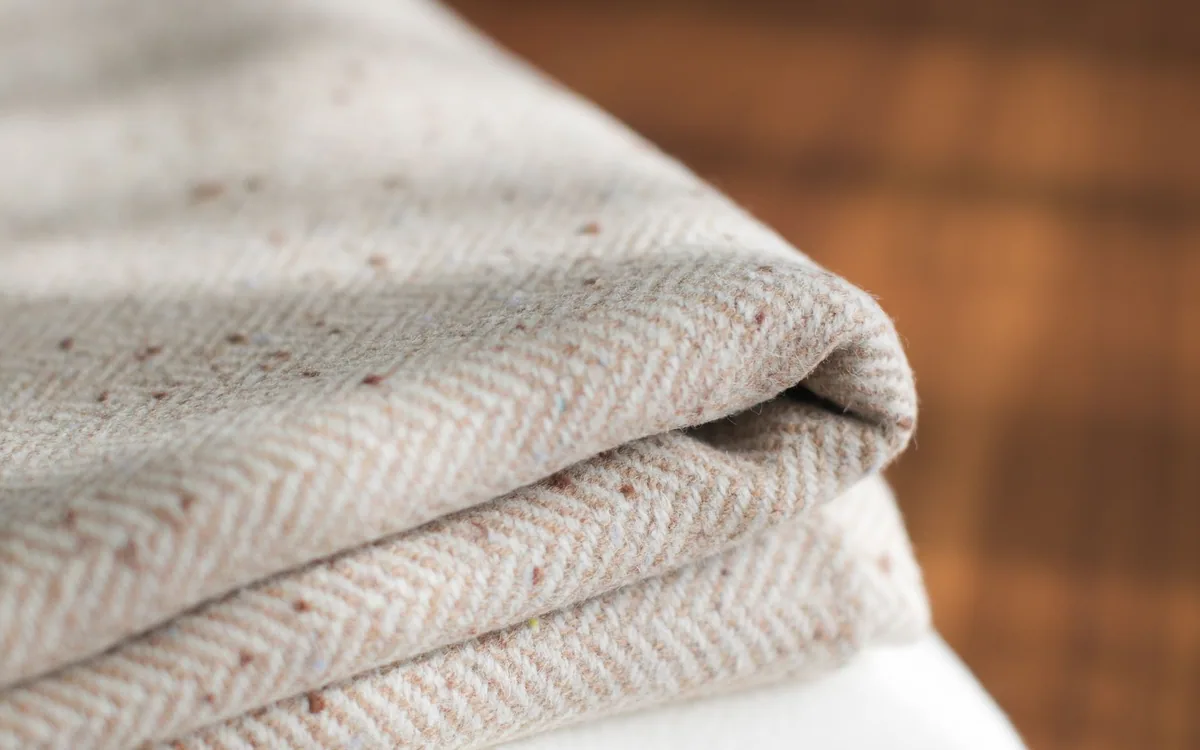
Storage bins or vacuum bags for seasonal clothing
Match seasonal textile storage to care instructions, compression limits, and how often you will reopen the group.
Compare the options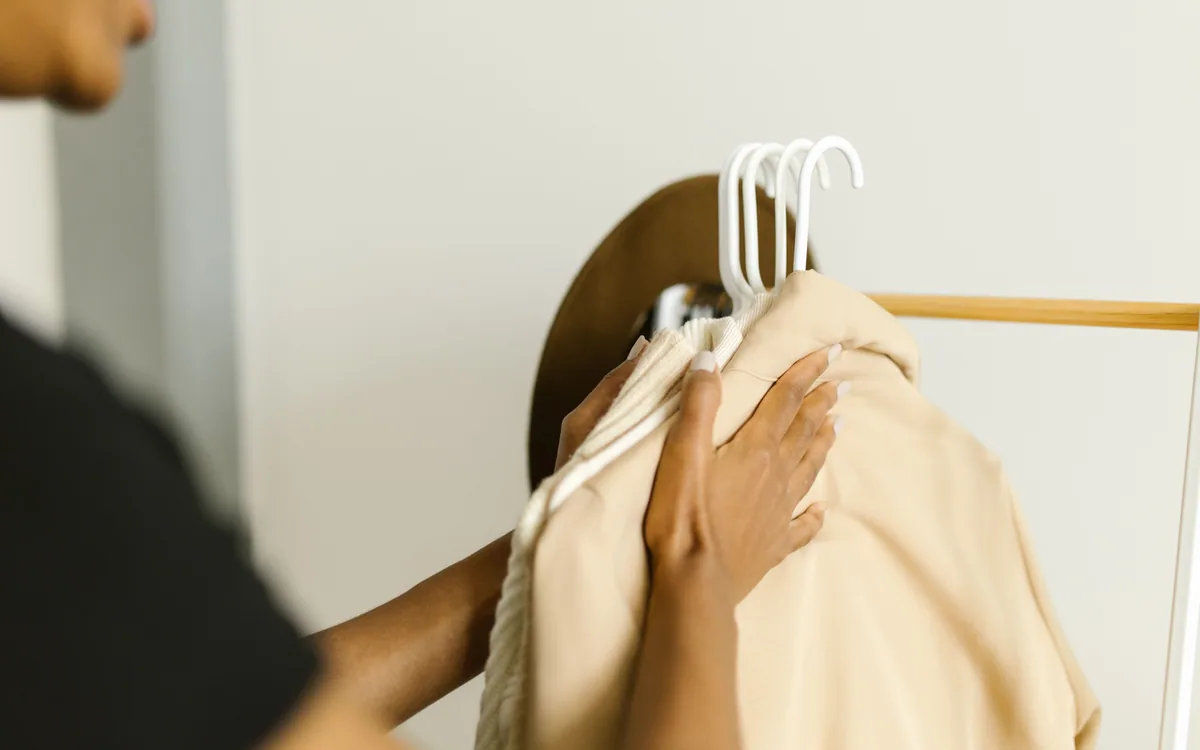
Velvet or plastic hangers: match the garment and the rail
Compare shoulder width, surface grip, strap supports, and the space your clothes occupy on the rail.
Compare the options
Measure a cabinet for shelves you can reach and remove
Check the clear door opening, hinge obstructions, loaded height, and the route an organizer needs to come back out.
Read the guide